Our Platform
Cutting-edge technologies and innovative approaches driving the next generation of therapeutic breakthroughs
We are advancing a pipeline of cutting-edge cell therapies leveraging iPSC technology to address major unmet medical needs in neurodegenerative diseases, chronic kidney disease (CKD) and cancer.
Complementing our therapeutic programs, we have also built a proprietary iPSC-and bioimaging-based platform that enables efficient disease modeling and rapid identification of novel drug candidates, positioning us at the forefront of both regenerative medicine and next-generation drug discovery.
Our Platform
Cutting-edge technologies and innovative approaches driving the next generation of therapeutic breakthroughs
We are advancing a pipeline of cutting-edge cell therapies leveraging iPSC technology to address major unmet medical needs in neurodegenerative diseases, chronic kidney disease (CKD) and cancer.
Complementing our therapeutic programs, we have also built a proprietary iPSC-and bioimaging-based platform that enables efficient disease modeling and rapid identification of novel drug candidates, positioning us at the forefront of both regenerative medicine and next-generation drug discovery.

iPSC-Based Disease Modeling
iPSC-Based
Disease Modeling
iPSC-Based Disease Modeling
Transforming Disease Research with Human-Relevant Models
Transforming Disease Research with Human-Relevant Models
LumiSTAR's iPSC-derived cells provide researchers and pharmaceutical companies with human-relevant disease models that overcome the limitations of traditional animal testing. Our iPSC platform generates unlimited quantities of differentiated cells with consistent quality. These models enable more accurate prediction of human responses compared to animal models, significantly improving the success rate of drug development programs.
LumiSTAR's iPSC-derived cells provide researchers and pharmaceutical companies with human-relevant disease models that overcome the limitations of traditional animal testing. Our iPSC platform generates unlimited quantities of differentiated cells with consistent quality. These models enable more accurate prediction of human responses compared to animal models, significantly improving the success rate of drug development programs.

Genetically Encoded Indicators
Genetically Encoded Indicators
All-Optical Methods for Real-time Detection
All-Optical Methods
for Real-time Detection
LumiRDT® represents LumiSTAR's genetically encoded biosensor platform that enables real-time cellular analysis through protein-based indicators. Unlike chemical fluorescent dyes that suffer from photobleaching and cellular toxicity, LumiRDT® is stably expressed in the cells, enabling continuous monitoring of cellular dynamics (weeks vs. hours for conventional probes), offering superior performance over traditional chemical dyes.
LumiRDT® represents LumiSTAR's genetically encoded biosensor platform that enables real-time cellular analysis through protein-based indicators. Unlike chemical fluorescent dyes that suffer from photobleaching and cellular toxicity, LumiRDT® is stably expressed in the cells, enabling continuous monitoring of cellular dynamics (weeks vs. hours for conventional probes), offering superior performance over traditional chemical dyes.

Viral Delivery System
Viral Delivery System
Precision Engineering for Efficient Cellular Transduction
Precision Engineering for Efficient Cellular Transduction
LumiSTAR's proprietary viral delivery platform enables the efficient installation of genetically encoded tools, including biosensors, reporters, and therapeutic constructs, directly into target cells. Our optimized viral vectors achieve high transduction efficiency across a broad range of cell types while maintaining low cytotoxicity, ensuring reliable gene expression without compromising cellular health. This versatile delivery system serves as the critical bridge connecting our iPSC-derived cell models with our LumiRDT® biosensor technology, powering applications from live-cell imaging to cell therapy development.
LumiSTAR's proprietary viral delivery platform enables the efficient installation of genetically encoded tools, including biosensors, reporters, and therapeutic constructs, directly into target cells. Our optimized viral vectors achieve high transduction efficiency across a broad range of cell types while maintaining low cytotoxicity, ensuring reliable gene expression without compromising cellular health. This versatile delivery system serves as the critical bridge connecting our iPSC-derived cell models with our LumiRDT® biosensor technology, powering applications from live-cell imaging to cell therapy development.
Pipeline
Pipeline
Robust Development Pipeline
Spans Multiple Therapeutic Areas
Robust Development Pipeline
Spans Multiple Therapeutic Areas
Robust Development Pipeline Spans Multiple
Therapeutic Areas
Program
Program
Indication (s)
Indication(s)
Type
Type
Pre-clinical
Pre-
clinical
IND
IND
Clinical
Clinical
NIPS-NP
NIPS-NP
NIPS-NP
Alzheimer's Disease
Alzheimer's Disease
Alzheimer's Disease
Cell
Therapy
Cell
Therapy
Cell
Therapy
FIPS-RP
FIPS-RP
FIPS-RP
Kidney
Disease
Kidney
Disease
Kidney
Disease
Cell
Therapy
Cell
Therapy
Cell
Therapy
Publications
Publications
Recent Findings Published
in Leading Peer-Reviewed Journals
Recent Findings Published
in Leading Peer-Reviewed Journals
Recent Findings Published
in Leading Peer-Reviewed Journals
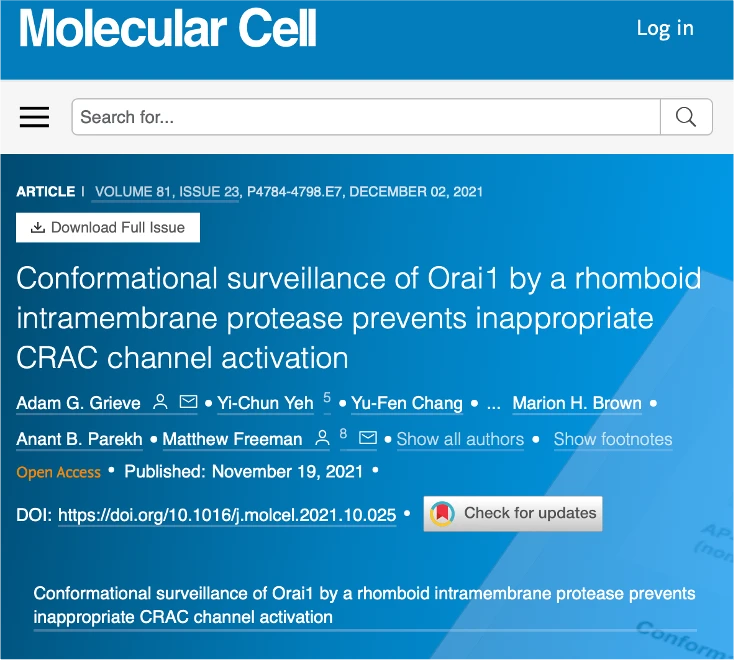
Conformational surveillance of Orai1 by a rhomboid intramembrane protease prevents inappropriate CRAC channel activation
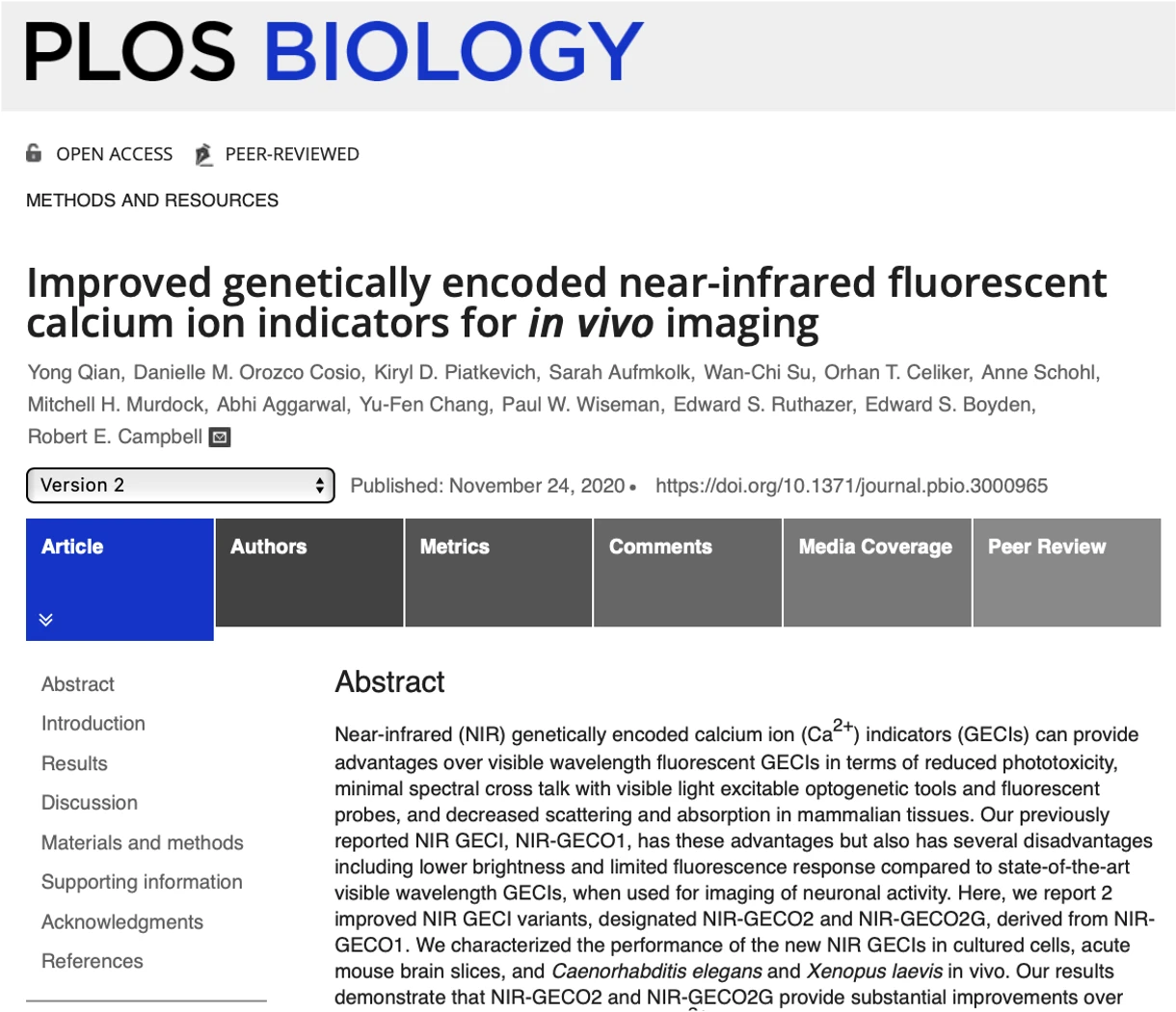
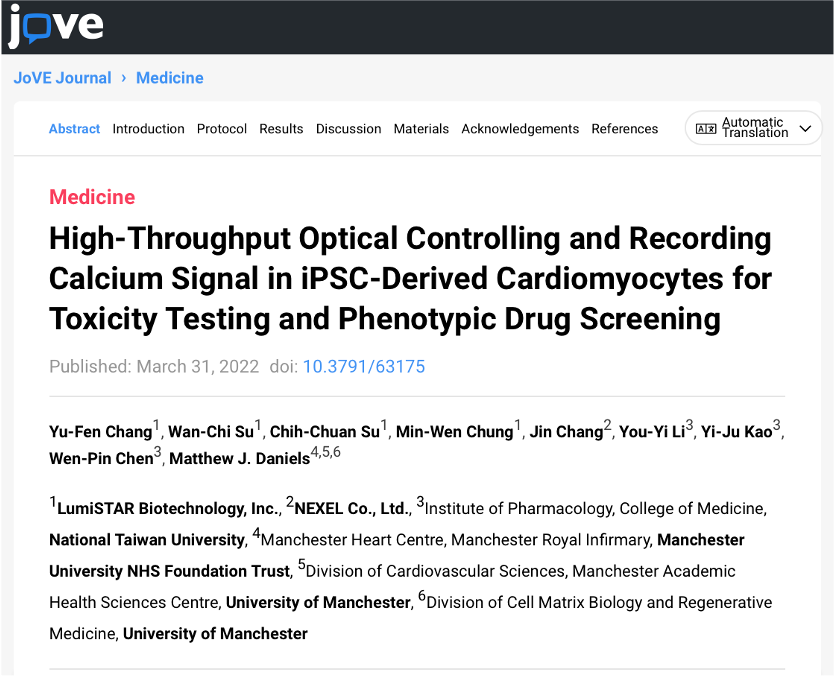
High-Throughput Optical Controlling and Recording Calcium Signal in iPSC-Derived Cardiomyocytes for Toxicity Testing and Phenotypic Drug Screening
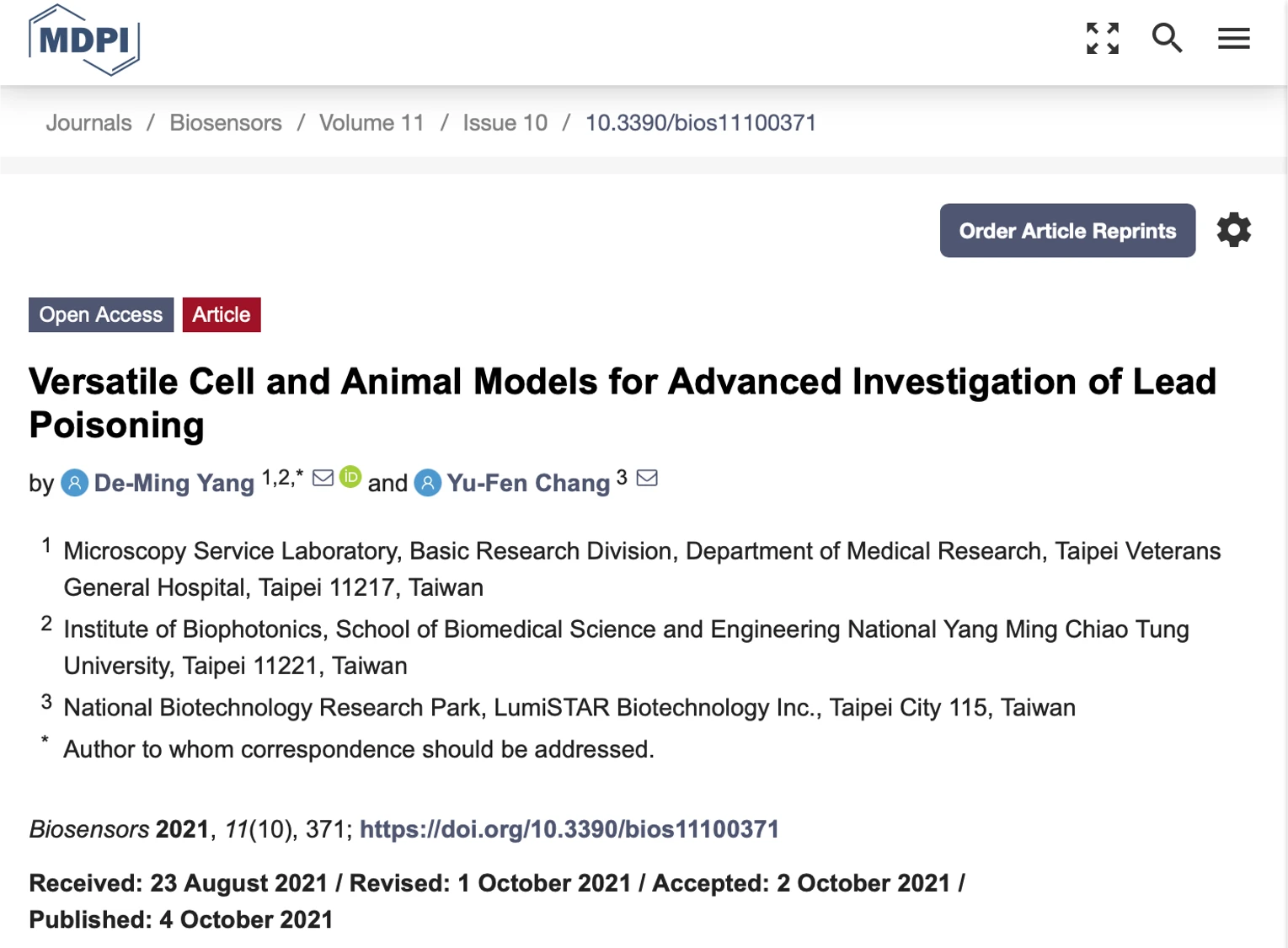

Conformational surveillance of Orai1 by a rhomboid intramembrane protease prevents inappropriate CRAC channel activation
High-Throughput Optical Controlling and Recording Calcium Signal in iPSC-Derived Cardiomyocytes for Toxicity Testing and Phenotypic Drug Screening
Conformational surveillance of Orai1 by a rhomboid intramembrane protease prevents inappropriate CRAC channel activation
High-Throughput Optical Controlling and Recording Calcium Signal in iPSC-Derived Cardiomyocytes for Toxicity Testing and Phenotypic Drug Screening

Bright and High-Performance Genetically Encoded Ca²⁺ Indicator Based on mNeonGreen Fluorescent Protein


Copyright © 2025 LumiSTAR Biotechnology, Inc. All Rights Reserved
Privacy Policy | Terms & Conditions
Copyright © 2025 LumiSTAR Biotechnology, Inc. All Rights Reserved
Privacy Policy | Terms & Conditions
Copyright © 2025 LumiSTAR Biotechnology, Inc. All Rights Reserved
Privacy Policy | Terms & Conditions