iPSC-Derived Cells
iPSC-Derived Cells
Accelerate breakthroughs with confidence
Accelerate breakthroughs
with confidence
From drug discovery to regenerative medicine, our iPSC-derived platform accelerates development across the entire R&D pipeline. These physiologically relevant models empower high-throughput screening, toxicity evaluation, and mechanism-of-action studies with human-specific precision.
Scalable, accessible, and ready to use, our iPSC-derived cells help researchers enhance translational value and move faster toward clinical success.
From drug discovery to regenerative medicine, our iPSC-derived platform accelerates development across the entire R&D pipeline. These physiologically relevant models empower high-throughput screening, toxicity evaluation, and mechanism-of-action studies with human-specific precision.
Scalable, accessible, and ready to use, our iPSC-derived cells help researchers enhance translational value and move faster toward clinical success.
How It Works
How It Works
From Patient to Therapy
From Patient
to Therapy
Transforming Disease Research with Human-Relevant Models

Somatic Cell Isolation
Obtain somatic cells, such as skin fibroblasts or blood cells, from a donor.
Reprogramming and Expansion
Use defined transcription factors to reprogram donor somatic cells into induced pluripotent stem cells (iPSCs). Expand and characterize iPSC colonies under strict quality controls to ensure pluripotency, genetic stability, and suitability for downstream applications.
Differentiation
Differentiate iPSCs into specialized human cell types (e.g., neurons, cardiomyocytes, epithelial cells, or hepatocytes) for mimicking physiological function.
Drug Development
Utilize iPSC-derived cells to model human diseases or predict drug toxicity in vitro, providing human-relevant data for preclinical research and safety screening.
Regenerative Medicine Development
Develop iPSC-derived cellular therapies tailored to patient needs, enabling transplantation or cell replacement strategies for treating a range of conditions.
Clinical Applications
Apply drugs validated using disease models or deliver iPSC-derived cell therapies to patients, advancing precision medicine and improving clinical outcomes.
Somatic Cell Isolation
Obtain somatic cells, such as skin fibroblasts or blood cells, from a donor.
Reprogramming and Expansion
Use defined transcription factors to reprogram donor somatic cells into induced pluripotent stem cells (iPSCs). Expand and characterize iPSC colonies under strict quality controls to ensure pluripotency, genetic stability, and suitability for downstream applications.
Differentiation
Differentiate iPSCs into specialized human cell types (e.g., neurons, cardiomyocytes, epithelial cells, or hepatocytes) for mimicking physiological function.
Drug Development
Utilize iPSC-derived cells to model human diseases or predict drug toxicity in vitro, providing human-relevant data for preclinical research and safety screening.
Regenerative Medicine Development
Develop iPSC-derived cellular therapies tailored to patient needs, enabling transplantation or cell replacement strategies for treating a range of conditions.
Clinical Applications
Apply drugs validated using disease models or deliver iPSC-derived cell therapies to patients, advancing precision medicine and improving clinical outcomes.
LumiStem™ iPSC-Derived Cells
LumiStem™ iPSC-Derived Cells
LumiStem™
iPSC-Derived Cells
Our ready-to-use iPSC-derived cells are engineered for reliability, consistency, and biological accuracy.
Each cell type is manufactured under stringent quality controls to deliver verified performance and reproducibility. By capturing the physiological characteristics of native human tissues, our iPSC-derived cells enable deeper disease insights and more predictive results than conventional cell lines or animal models.
Our ready-to-use iPSC-derived cells are engineered for reliability, consistency, and biological accuracy. Each cell type is manufactured under stringent quality controls to deliver verified performance and reproducibility. By capturing the physiological characteristics of native human tissues, our iPSC-derived cells enable deeper disease insights and more predictive results than conventional cell lines or animal models.
Our ready-to-use iPSC-derived cells are engineered for reliability, consistency, and biological accuracy. Each cell type is manufactured under stringent quality controls to deliver verified performance and reproducibility. By capturing the physiological characteristics of native human tissues, our iPSC-derived cells enable deeper disease insights and more predictive results than conventional cell lines or animal models.
Cardiac cells
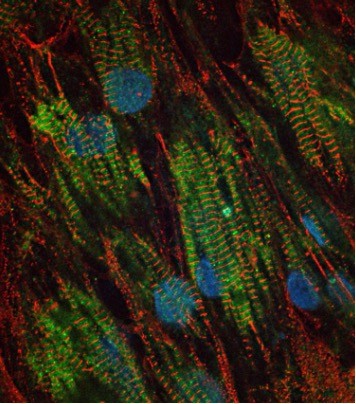
Nerve cells
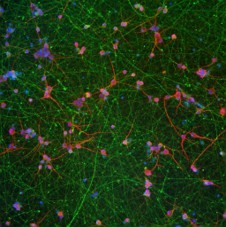
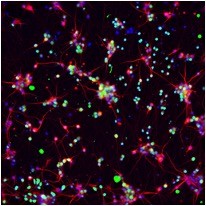
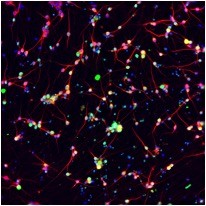
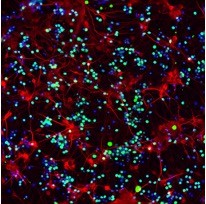
Glial cells


Copyright © 2025 LumiSTAR Biotechnology, Inc. All Rights Reserved
Privacy Policy | Terms & Conditions
Copyright © 2025 LumiSTAR Biotechnology, Inc. All Rights Reserved
Privacy Policy | Terms & Conditions
Copyright © 2025 LumiSTAR Biotechnology, Inc. All Rights Reserved
Privacy Policy | Terms & Conditions